The Justice for Girls Convening and Festival will take place in Kenya from August 30 to September 4, bringing together activists, survivors, policymakers, governments, funders and movement leaders committed to ending Female Genital Mutilation/Cutting (FGM/C) and Child, Early and Forced Marriage within a generation.
More than a convening, the festival is an opportunity to bring people together around a shared ambition: to turn the knowledge, experiences and leadership of girls and survivors into action. It comes at an important moment for the women’s and girls’ rights movement, as we celebrate progress while confronting persistent inequalities, gaps in implementation and growing resistance to gender equality.
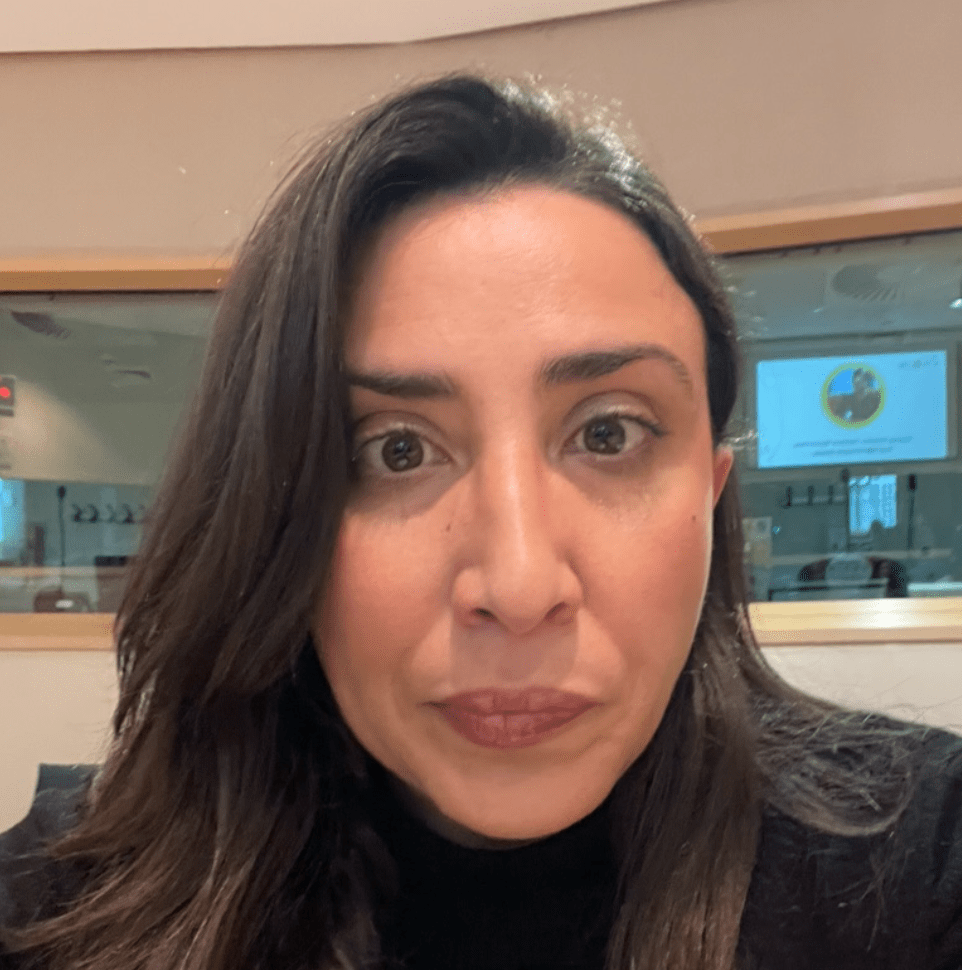
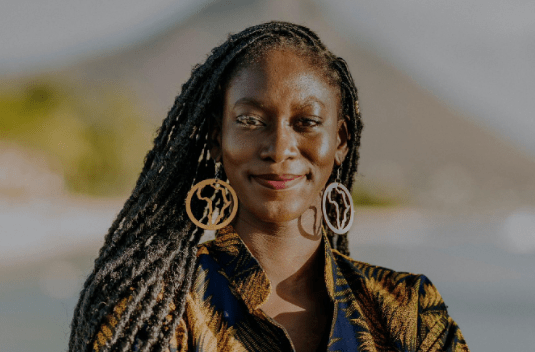
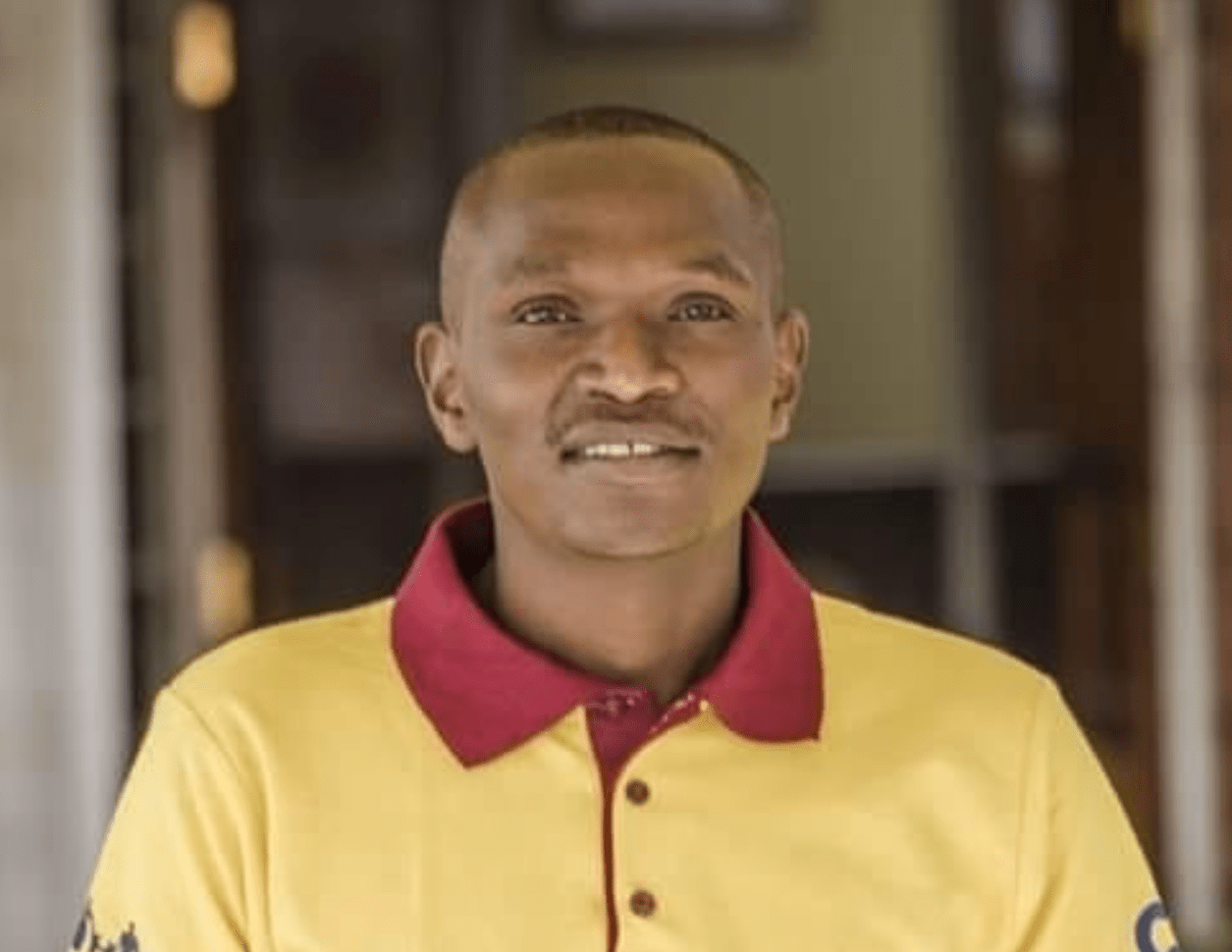
Ahead of the convening, Advocate Elias Muindi reflects on, what it means to be a male advocate in these movements.
Bio: Elias Muindi is a Kenyan gender justice advocate and Project Manager at the Margaret Wanzuu Foundation (MWF), where he works to engage men and boys in ending female genital mutilation/cutting (FGM/C), child marriage, and gender-based violence. He has extensive experience designing and implementing community-based programs that work with fathers, adolescent boys, elders, and other community leaders to challenge harmful gender norms and promote girls’ rights.
Through the Baba Bora (“Better Fathers”) Project, Elias has helped develop and implement approaches that strengthen relationships between fathers and daughters, equip boys to advocate for their sisters, and mobilize community elders to publicly oppose FGM/C and early marriage. His work emphasizes locally led solutions, meaningful engagement of men and boys, community dialogue, and sustainable social norm change.
Vision for the Movement
For Elias, being involved in these movements meant being a part of the solution and not the problem.
“I was inspired by seeing how FGM/C and child marriage limit girls’ rights, education, health, and future opportunities. I also saw that men—particularly fathers, brothers, and elders—have significant influence over these decisions but are often left out of prevention efforts. This convinced me that engaging men and boys as partners for change is essential to ending these practices.”
One of the Justice for Girls initiative’s goals is to develop a movement-led global action plan for the next five years. Elias knows that survivor leadership should be an essential part of that plan.
“I hope the plan will prioritize survivor leadership, grassroots organizations, and long-term investment in locally led solutions. It should include meaningful engagement of men and boys, stronger accountability for laws and policies, investment in girls’ education and economic opportunities, and approaches that address the social norms that sustain FGM/C and child marriage.
Survivors understand the realities and consequences of FGM/C in ways that cannot be replaced by outside perspectives. Their voices should guide the solutions. Allies have an important role in providing resources, technical support, advocacy, and platforms—but they must support survivor leadership rather than speak over it.”
Elias adds that, with anti-rights narratives on the rise, the convening is also an important opportunity for advocates and survivor leaders to come together and consider how the movement can respond.
“We need to challenge harmful narratives with evidence, survivor voices, positive cultural alternatives, and trusted community leaders. We must also engage men and boys and show that protecting girls’ rights is not a threat to culture or families. It is about creating healthier communities where girls can grow, learn, and make decisions about their own lives.”
Strengthening Survivor-Led Movements
For Elias, spaces for healing are just as important as spaces for advocacy, and this convening will provide space for both.
“Advocacy requires courage and emotional strength, but survivors should not be expected to continuously relive painful experiences to create change. Spaces for healing, connection, music, art, and storytelling allow survivors to restore their wellbeing, build solidarity, and participate in advocacy from a place of strength and choice.”
This convening will also create an opportunity for survivor-led and grassroots organizations to have conversations with funders and advocate for funding that directly benefits affected communities.
“With sustained investment, grassroots organizations can build trust with communities and achieve changes that short-term projects cannot. They can develop local champions, strengthen relationships with fathers, boys, elders, schools, and leaders, and support communities to change harmful norms from within. Long-term funding also allows local organizations to learn, adapt, measure impact, and sustain progress.”
The convening will also provide an opportunity for organizations to learn from each other as advocates and survivor expert leaders.
“One important lesson from our Baba Bora work is that fathers can become powerful champions for their daughters when they are given the opportunity to build stronger relationships with them. We have seen major improvements in fathers’ attitudes toward gender equality, girls’ education, and early marriage. We are now working to strengthen the approach on FGM/C by also engaging brothers and elders. Change becomes more powerful when the whole community is involved.”
Looking Ahead
Elias hopes that this conveningwill just be the beginning of a catalyst for real change, and that it will strength both the movement to end FGM/C and Child Marriage.
“We need to move from conversations to sustained action, accountability, and investment. Communities must be supported to translate commitments into everyday practice, while governments and institutions enforce existing laws and policies. We also need continued monitoring and learning to understand what is changing and what still needs attention.My hope is that the convening strengthens a truly global, survivor-led movement in which girls and women are at the center of decisions about their lives and futures. I want us to leave with stronger partnerships, greater resources for grassroots organizations, and a shared commitment that FGM/C and child marriage can—and must—end within our generation.”