The Justice for Girls Convening and Festival is underway in Kenya through September 4th, bringing together activists, survivors, policymakers, governments, funders and movement leaders committed to ending Female Genital Mutilation/Cutting (FGM/C) and Child, Early and Forced Marriage within a generation.
More than a convening, the festival is an opportunity to bring people together around a shared ambition: to turn the knowledge, experiences and leadership of girls and survivors into action. It comes at an important moment for the women’s and girls’ rights movement, as we celebrate progress while confronting persistent inequalities, gaps in implementation and growing resistance to gender equality.
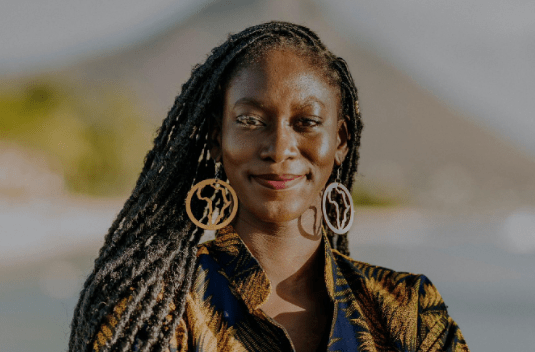
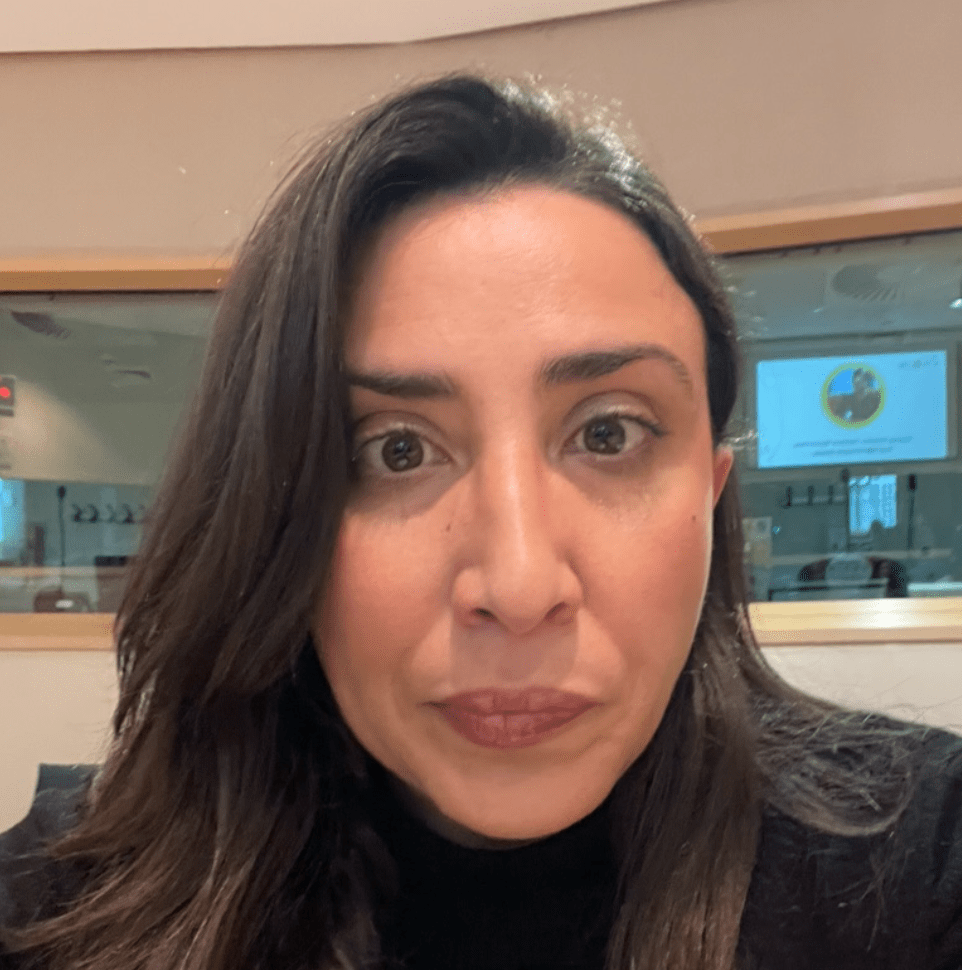
As the convening gets underway, longtime advocate and Project Manager at Wadi, Isis Elgibali, reflects on why these movements matter to her, the advocacy and tools needed to push this movement forward, and her hopes for the future.
About the Author: Isis Elgibali is a Project Manager at Wadi, an organization based in Germany and Iraqi Kurdistan; she has been working for over 10 years to support survivors of Female Genital Mutilation. She also works with communities, activists, and lobbies at the national and international level to abandon the practice in Northern Iraq. As an Egyptian-Belgian, she works to integrate FGM/C into broader understandings of gender-based violence (GBV) and to fight for women’s rights, access to education and economic empowerment all while bridging multiple culture and languages. She also advocates internationally for the recognition of FGM/C as a serious issue in the Middle East, and for meaningful action to be taken to eradicate the practice.
A Personal Commitment
For Isis, the movements to end FGM/C and child marriage are a personal mission, because she has seen the harm that these practices cause firsthand.
“As an Egyptian woman, I want FGM/C to end. I know how deep the wound goes, and I don’t want one more child to be cut or married off. I have been working for over ten years in an Iraqi Kurdish context on the topic of FGM/C, and my goal is to expand and strengthen the STOP FGM/C Middle East Campaign. We need to do more, and I have seen firsthand how quickly change can happen in a community when people come together and make the decision to protect their children.”
Vision for the Movement
As a longtime advocate, Isis hopes that this convening will provide the space to create meaningful action and change within all aspects of the movements to end FGM/C and child marriage.
“In terms of concrete action I would love to see international bodies like UNICEF and UNFPA send a strong message that FGM/C is a global issue by supporting and funding organizations dealing with this issue in the Middle East and Asia. Although we have seen a real shift in some south east Asian countries, we are still fighting the ‘African issue’ stereotype on an international level. It is time now for that type of framing to ends, and for the global reality of FGM/C to become mainstream.
Additionally, it would be absolutely amazing to have more global cooperation where organizations can really learn from each other in a long-term meaningful way that goes beyond the one or two day networking event.
Moreover, I would like to see a meaningful change in the status quo when it comes to research. Wherever there are whispers of FGM/C we need to come together as a global community and put pressure on governments to allow independent research to be conducted in a way that does not traumatize communities. We need to build meaningful educational and survivor centered approaches to end this harmful practice where it is happening.
I would also like to see more support for grassroots and survivor-led movements. Although a shift is happening, it would be great to have a way for those organizations to stay small and focused on their communities, but still be able to access funds that are now only available to bigger more professionalized organizations.
Finally, even though we are currently face a global anti-rights, and anti-women movement, we cannot allow western discourses to dominate in Middle Eastern, Asian or African realities of this movement, and we need to take steps to ensure that FGM/C, child marriage, and GBV remain issues at the highest level of priority, but also ensure that each country is able to respond in their own way.”
Strengthening Survivor-Led Movements
Isis has seen firsthand the power of survivor-led advocacy and the ways in which it can impact affected communities. At the convening, she wants the rest of the world to see and understand that power.
“For too long, well-meaning high profile actors have shaped narratives and policy. Now it is time for survivor voices to lead the way for the next generation. We need survivors to be the ones informing and shaping policy, and for the allies to listen, and truly hear what survivors are asking for, which will lead to more support for survivors and trauma informed action.
We also need to take a hard look at some approaches from the past that are not particularly effective at changing behaviors and attitudes. I am very happy to be a part of this approach that so many of us have been advocating for.
Paradoxically as a global community we need to support highly localized approaches to the anti-rights narratives. Local responses and approaches that come from within communities are much more meaningful, impactful and authoritative than broader messages. That is not to say that we can’t support local actors as a global community, but we need to allow each community to find an organic way to combat the anti-rights rhetoric in their context, and not export a single ‘global’ line on the topic.”
Isis also understands that for survivors telling their stories can be a draining and traumatizing experience, which is why this convening was organized to include space for healing and reflection as well as advocacy.
“It is also really great to see this intersectional approach that intentionally keeps space for multiple different forms of storytelling of the experiences and lives of survivors, however they feel about their journeys. Art, music and storytelling are key ways that we support survivors in our work and it is really encouraging to see this approach happening at such a large event.”
Looking Ahead
Isis hopes the convening will be a place for important conversations about what needs to change for these movements to succeed.
“I have high hopes for this new fund and funding approach, I hope that it will not unduly burden small organizations with mountains of documents, but allow them the freedom to really perform impactful work within their communities, while still of course being accountable for the funds they are stewarding. I also would also be please if the fund could first meet with various community actors, (survivors, small and medium sized community anchored CSOs), when planning grants, in order to have conversations that are actually informed by on the ground needs and no longer on the ‘top down’ international funding model, which has created so many issues for small and medium organisations.
Wadi is so excited to share many impactful updates with the group! Building on over a decade of groundbreaking advocacy, Wadi and Orchid Project are partnering to revitalize regional momentum and transform the STOP FGM/C Middle East Campaign into a regionally anchored movement.
My hope and wish is that this convening is remembered as the moment when things shifted, when survivor informed, survivor-centered action, and survivor care become a central tenet of all FGM/C, child marriage, and gender-based violence movements. I really hope we see a tidal wave of change that centers women and girls and their specific contextual needs at the core of all actions, educational endeavors, research initiatives and supportive programs.”