The Justice for Girls Convening and Festival took place in Kenya from September 2–4, bringing together activists, survivors, policymakers, government representatives, funders and movement leaders committed to ending Female Genital Mutilation/Cutting (FGM/C) and Child, Early and Forced Marriage within a generation.
More than a convening, the festival provided an opportunity to bring people together around a shared ambition: to turn the knowledge, experiences and leadership of girls and survivors into action. The gathering came at an important moment for the women’s and girls’ rights movement, celebrating progress while confronting persistent inequalities, gaps in implementation and growing resistance to gender equality.
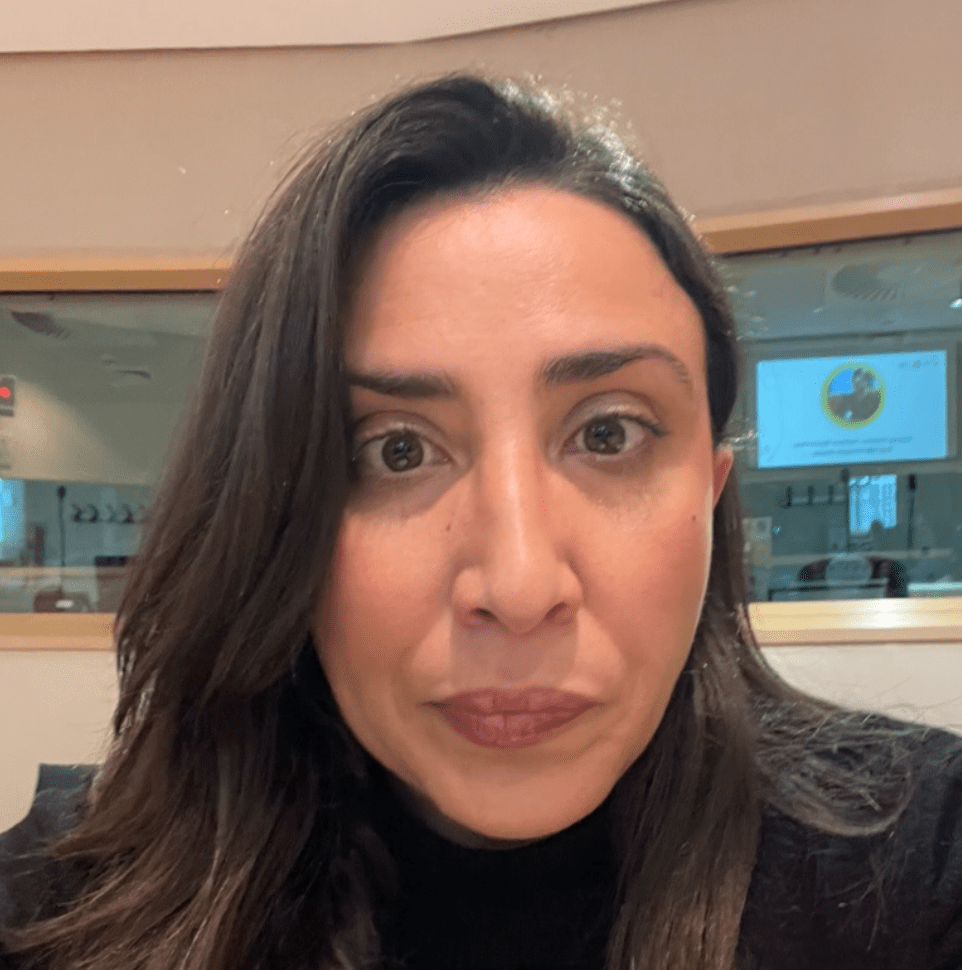
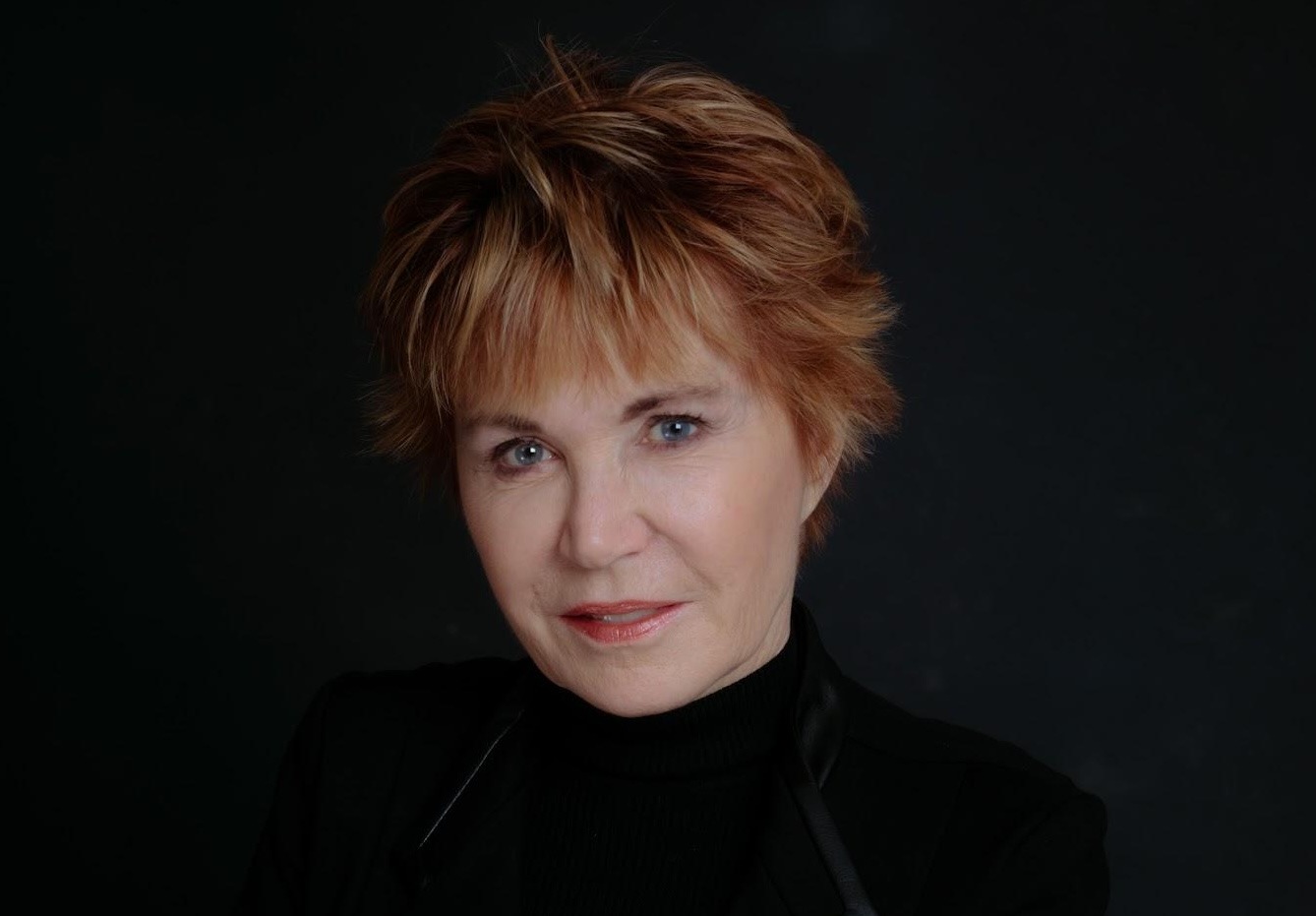
Following the convening, longtime advocate, journalist and filmmaker Giselle Portenier shares her perspectives on the importance of survivor leadership, creativity as a tool for change and the collective action needed to end FGM/C and child marriage within a generation.
About Giselle: Giselle Portenier is a Canadian journalist and award-winning documentary filmmaker with a focus on children’s and women’s human rights. Her numerous social justice documentaries have screened around the world and have helped change minds, hearts and even laws. Her latest film, “In The Name Of Your Daughter,” gives a voice to some of the most courageous girls in the world – Tanzanian girls as young as eight, who risk their lives to escape female genital mutilation/cutting (FGM/C) and child marriage.
In 2019, Portenier co-founded the End FGM Canada Network, whose mission to advocate for support for FGM/C survivors and protocols to protect girls at risk in Canada. It has since become the leading voice on FGM/C in Canada, educating professionals in many sectors and influencing policy in government and civil society. Portenier’s work in the human rights arena has been recognized with a Global Woman’s P.E.A.C.E Foundation Award and an honorary doctor of laws from Carleton University in Ottawa.
Vision for the Movement
As an experienced journalist, Giselle was inspired to get involved with these movements through her work. She saw firsthand how the suffering of women and girls affected communities across the globe.
“Only when girls and women around the world have the same rights as boys and men—freedom from bodily harm, freedom to make choices about their futures, equal opportunities to fulfil their dreams- will true progress be made worldwide.
As a journalist and filmmaker who has focused very much on girls’, women’s, and children’s human rights throughout my career, I have seen the terrible suffering that results from patriarchal systems worldwide–child slavery, child marriage, female genital mutilation, and human trafficking. It was a natural step to go from journalist and filmmaker to activist, from documenting the problems to becoming actively involved in finding the solutions. That’s why I co-founded the End FGM Canada Network.”
Ahead of the Justice for Girls Convening and Festival, Giselle expressed hope that the gathering would bring greater global attention to FGM/C and child marriage, two issues she believes have historically received insufficient attention within the broader movement for gender equality.
“At the moment, both child marriage and female genital mutilation are issues that are not front and center in the fight for equality for girls, and yet they are huge in both the numbers of children affected and the suffering caused. I truly hope we can find ways to turn the spotlight on these terrible abuses of girls’ and women’s human rights.”
Centering Survivors as Leaders
For Giselle, bringing greater global attention to FGM/C and child marriage must go hand in hand with ensuring that survivors are at the forefront of efforts to end these harmful practices.
“Survivors with lived experience who have found their voice must be at the core of the End FGM/C campaign because they have the experience, the commitment, and the necessary passion to make change in their communities; and those of us who count ourselves as allies have much to learn from them. It is also important to nurture allies, including boys and men from impacted communities and others to work alongside the survivors, especially in areas where survivors have yet to find their voice.”
Amid the rise of anti-rights movements worldwide, Giselle also emphasizes the importance of believing, supporting and uplifting survivors, ensuring their voices remain central to advocacy efforts.
“Sadly, the voices that are focusing on normalizing violence against girls, especially female genital mutilation, are not just voices from within the practicing communities, but academics and other ill-informed or misguided people from outside who fail to see how racist it is to apply different standards of what is acceptable depending on the color of a child’s skin. What we need is to elevate the voices of survivors and empower more allies to stand up and stand strong in their opposition to human rights violations that should have no place in any community.
My documentary In The Name Of Your Daughter about girls running away from home to escape female genital mutilation shows that when girls are educated about its effects, girls understand that FGM/C is wrong, and want no part of it. Elevating children’s voices too will help in the fight against FGM/C and child marriage.”
Creativity as a Tool for Change
As a filmmaker, Giselle understands the power of storytelling to raise awareness, challenge harmful practices, and foster healing. The convening incorporated art and storytelling into its programming, highlighting the importance of creating spaces for healing alongside activism.
“Advocacy can be very emotionally challenging, especially for survivors but also for allies; burnout is common; ptsd can sneak up on even the strongest; healing spaces and support are critical so people who are committed to making change can feel supported and can stand strong.”
Sustaining Grassroots Advocacy
One issue Giselle hoped the convening would address was the need for more equitable funding for smaller grassroots organizations. The convening marked an important step toward addressing this challenge with the announcement of the Her Horizon Fund, a $14 million commitment to support frontline organizations working to end FGM/C.
“Committed and passionate grassroots activists are the best placed to make change in their community. They understand what drives behavior, they have access to the leaders and decision makers, and they can find ways to motivate people in their communities to abandon harmful practices. With sustained funding, they can plan over a period of years and execute their plan without fear of funding drying up.”
Looking Ahead
For Giselle, one of the most important challenges in ending FGM/C remains breaking the silence surrounding the practice. Through her work with End FGM Canada, she has sought creative ways to encourage conversations about girls’ and women’s bodies, including through Miss Klitty, a character designed to help normalize discussions about the clitoris and bodily autonomy.
“At End FGM Canada our biggest challenge is the culture of silence and silencing around female genital mutilation/cutting in our country. This is why we came up with the idea of Miss Klitty who is now our global ambassador. Miss Klitty is a sassy, lovable character, loosely based on the clitoris; her job is to get people to talk about this very important female human organ without shame. In most cases of FGM/C, the clitoris is harmed; as our colleague Maryan Sheikh Abdikadir says “until we can talk about the clitoris, we can’t talk about saving it.” So we encourage all to say the word, Clitoris!, loud and clear, and often. Let’s normalize conversation around girls’ and women’s bodies so we can protect them.”
Beyond raising awareness, Giselle believes that lasting change requires sustained conversations and collective action that extend beyond gatherings like the Justice for Girls Convening and Festival.
“The key to lasting and meaningful change is for the conversations to keep going. We need to bring what we learned back to our teams, our governments, our civil societies, our media, and never stop talking about FGM/C. Our experience in Canada, and this is hard to believe, is that most people have never heard of FGM/C, and yet we have upwards of 150,000 survivors. This silence has to be broken, and our job is to change that through conversations in our own living rooms to our parliament. Hence our slogan: Cut the silence, not the girl:
The dream is that FGM/C and child marriage end in the next decade or preferably sooner. The hope is that this convening will accelerate that goal by re-focusing the conversation firmly on the importance of supporting girls’ and women’s fundamental human rights worldwide and highlighting female genital mutilation and child marriage as the fundamental human rights violation and child abuse that it is.”