In less than one month, the Justice for Girls Convening & Festival will take place in Kenya, bringing together activists, survivors, policymakers, governments, funders, and movement leaders committed to ending female genital mutilation/cutting (FGM/C) and child marriage within a generation. More than a convening, it is a space for bold ideas, shared strategies, and collective action grounded in lived experience and global collaboration at a critical moment for the gender justice movement.
Ahead of the convening, Survivor Expert Leader Isatou Jeng reflects on the movement’s vision, why survivor leadership matters, and what she hopes participants will build together in Kenya and beyond
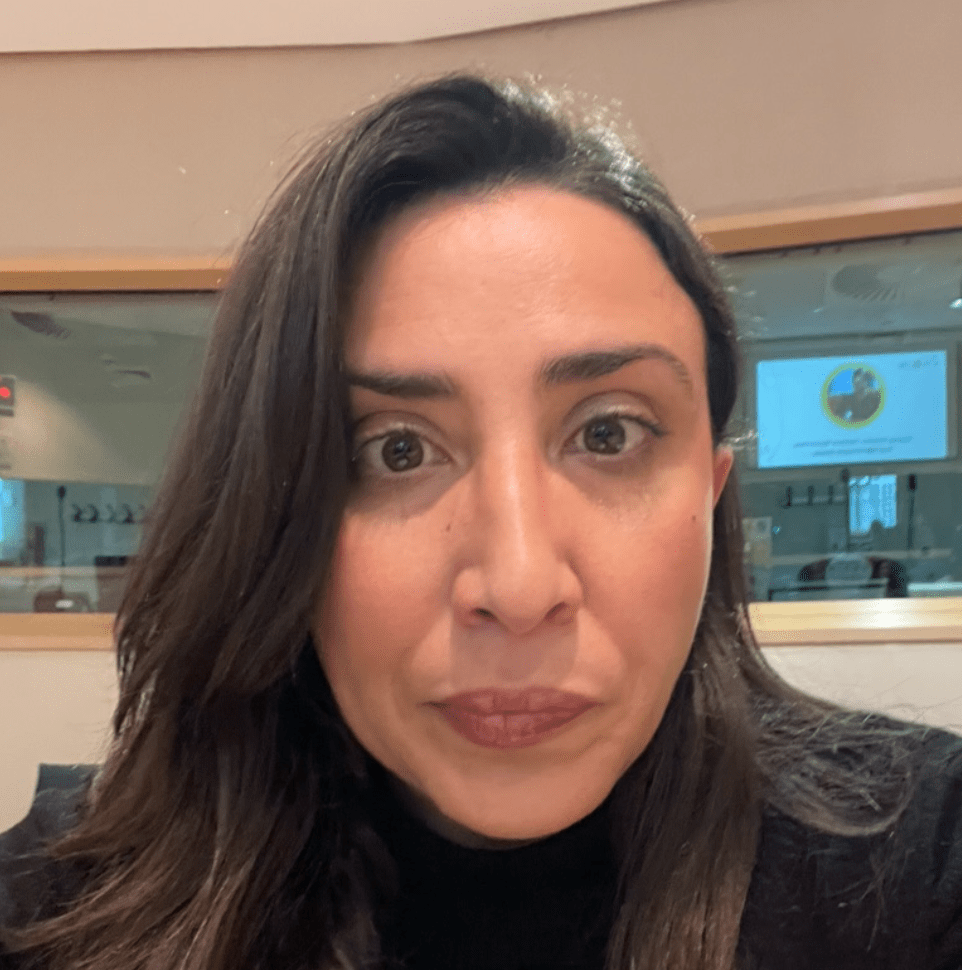
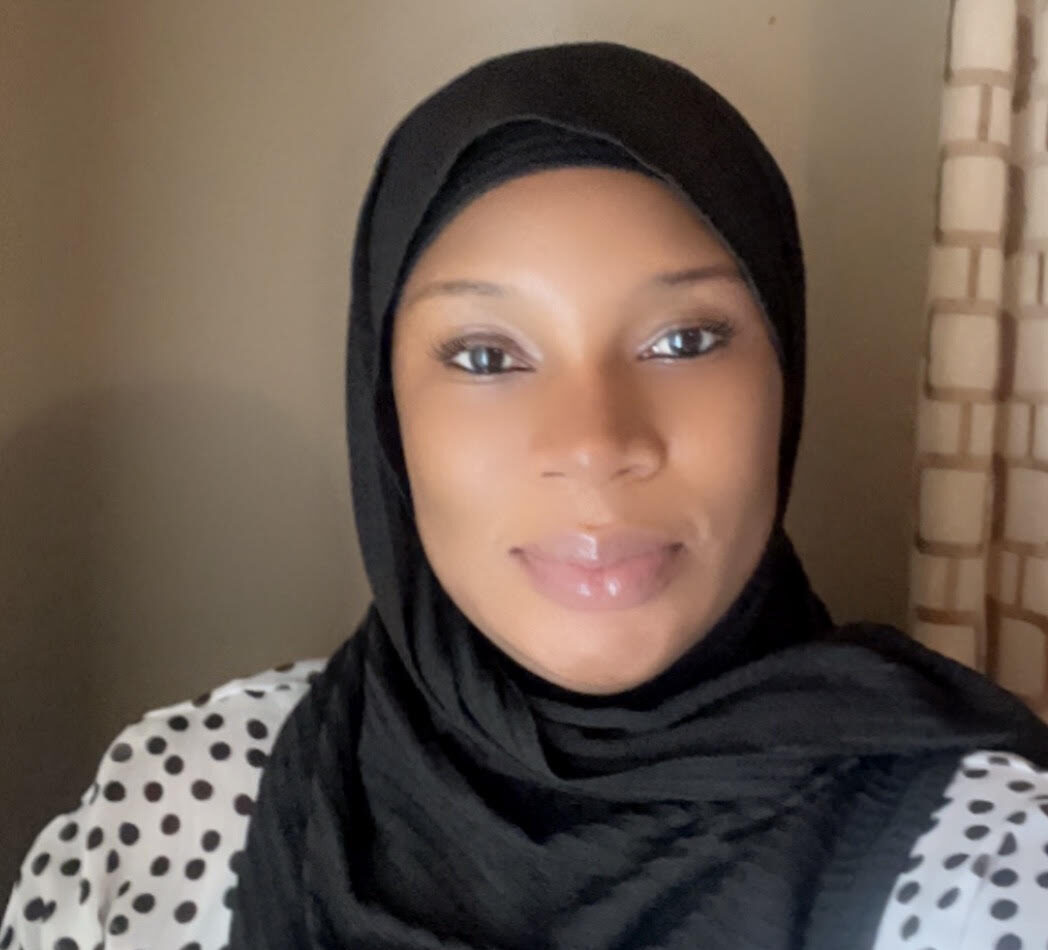
About Isatou Jeng: Isatou Jeng has over thirteen years of experience advocating against Female Genital Mutilation/Cutting (FGM/C) and gender-based violence (GBV). She serves as the Training and Technical Assistance Manager at the U.S. End FGM/C Network. Isatou has devoted her life to empowering women and children to live in freedom and dignity through education, advocacy, and grassroots campaigns. Before immigrating to the United States, she co-founded The Girls’ Agenda, one of The Gambia’s leading organizations committed to ending FGM/C and child marriage. She also served as an Advocacy and Campaign Officer for the Network Against Gender-Based Violence in The Gambia, overseeing the Network’s advocacy initiatives, campaigns, and member engagement. A survivor of FGM/C herself, Isatou uses her story to raise awareness and advocate for a holistic and human rights-centered approach to ending the practice.
Building a Global Movement Together
For more than 15 years, Isatou has worked to end FGM/C and child marriage through survivor-centered advocacy, community engagement, and policy change. As a survivor herself, she sees the Justice for Girls movement as an opportunity to unite survivors, communities, governments, and organizations around a shared commitment to lasting change.
“My inspiration for joining the Justice for Girls movement is rooted in both my personal journey and my lifelong commitment to advancing the rights of women and girls. As a survivor of female genital mutilation/cutting (FGM/C), I have experienced firsthand the lasting harm these practices inflict on girls’ lives. That experience has fueled more than 15 years of advocacy to end FGM/C and child marriage through survivor-centered approaches, community engagement, policy advocacy, and public education.
I believe ending FGM/C and child marriage within a generation is possible when survivors, communities, governments, and organizations work together to create lasting change. Through my work with the U.S. End FGM/C Network and other advocacy initiatives, I am committed to amplifying survivor voices, empowering girls, and promoting every child’s right to grow up safe, healthy, educated, and free to determine their own future.”
A Roadmap for the Next Five Years
As organizers develop a movement-led global action plan for the next five years, Isatou hopes it reflects the priorities she believes are essential to ending FGM/C and child marriage within a generation: survivor leadership, community-leve solutions, and funding.
“I hope that the global plan prioritizes survivor leadership, community-led solutions, and sustainable investment in organizations working to end FGM/C and child marriage. Survivors and grassroots organizations should be meaningfully involved in shaping policies, programs, and funding decisions because they bring the lived experience and cultural knowledge needed to drive lasting change. The plan should also strengthen prevention efforts through education, youth engagement, and partnerships with faith, traditional, and community leaders to challenge harmful social norms.
I also hope the plan includes stronger commitments to expanding survivor-centered services, improving data collection and research, strengthening legal protections and accountability, and securing long-term funding for grassroots/community-based organizations. Because FGM/C is a global issue affecting people across borders, this strategy should promote international collaboration and ensure that prevention and response efforts are inclusive of diaspora communities. With clear accountability measures and sustained political will, the next five years can accelerate progress toward ending FGM/C within a generation.”
Survivors and Allies, Working in Partnership
For Isatou, a survivor-led movement succeeds when lived experience and collective action go hand in hand. While survivors bring the expertise that comes from firsthand experience, she believes allies play an equally important role.
“A survivor-led global convening ensures that the voices, experiences, and priorities of those most directly affected by FGM/C are at the center of shaping solutions. Survivors bring invaluable lived expertise that leads to more effective, culturally informed, and rights-based strategies.
Allies contribute the resources, influence, technical expertise, and political commitment needed to turn those priorities into meaningful action. By working together in genuine partnership, survivors and allies can build a stronger, more accountable global movement that advances prevention, strengthens survivor support, and accelerates progress toward ending FGM/C and child marriage within a generation.”
Challenging Harmful Narratives
Isatou believes changing the conversation around FGM/C requires more than responding to misinformation — it requires building a broad coalition committed to protecting girls’ rights. By centering survivor voices, investing in education, and engaging communities across sectors, she sees an opportunity to reshape public attitudes.
“As a global community, we must challenge anti-rights narratives by promoting accurate, evidence-based information, amplifying survivors’ voices, and supporting community-led efforts that uphold girls’ rights and dignity. This requires building broad coalitions across governments, civil society, youth movements, faith leaders, educators, and the media to counter misinformation and harmful social norms with messages grounded in human rights, gender equality, and the lived experiences of affected communities. By investing in education, empowering young people as advocates, and holding institutions accountable for protecting girls’ rights, we can shift public attitudes and create an environment where violence against girls is neither normalized nor justified.”
Healing Strengthens the Movement
For Isatou, healing and advocacy are inseparable. She believes survivor wellbeing is essential to sustaining the movement.
“Creating spaces for healing is just as important as creating spaces for advocacy because sustainable movements are built on the wellbeing of the people leading them. For many survivors of FGM/C and child marriage, advocacy requires revisiting deeply personal experiences, which can be emotionally demanding. Healing-centered spaces that embrace art, music, storytelling, and community foster connection, restore hope, and affirm survivors’ dignity beyond their trauma.
When survivors are supported to heal, they are better equipped to lead, inspire change, and sustain the long-term work of advancing the rights of girls and ending harmful practices.”
Investing in Community Leadership
Having spent more than a decade working at the grassroots level, Isatou has seen how sustained investment can transform survivor-led organizations. She believes long-term, flexible funding allows communities not only to respond to harm, but create lasting systemic change.
“Having worked at the grassroots for over a decade, I know that sustained, long-term investment enables survivor-led and grassroots organizations to move beyond short-term projects and create lasting, systemic change. These organizations are often the first to build trust within communities, provide culturally responsive prevention and survivor support services, and challenge the social norms that sustain FGM/C and child marriage. Flexible, long-term funding strengthens their leadership, expands their reach, supports innovation, and enables them to invest in the next generation of advocates.
When survivors and grassroots leaders have the resources they need, they are empowered not only to respond to harm but also to prevent it, influence policy, and transform communities from within.”
Community-Led Solutions That Last
Through her work with the U.S. End FGM/C Network, Isatou has seen firsthand how lasting change happens when survivors and affected communities are trusted to lead
“One of the most important lessons from my organization’s work is that lasting change happens when survivors and affected communities are treated as partners and leaders, not just beneficiaries. Through my work with the U.S. End FGM/C Network and our members and partners, I have seen that combining survivor leadership with cross-sector collaboration, including healthcare providers, educators, policymakers, researchers, and grassroots organizations, creates more effective prevention strategies, stronger support systems, and more responsive policies. I look forward to sharing how investing in community-led, culturally responsive, and survivor-centered approaches can build trust, drive sustainable change, and strengthen the global movement to end FGM/C and child marriage.”
Turning Commitments Into Action
For Isatou, the conversations that begin in Kenya must lead to measurable progress long after participants return home. She believes lasting change depends on accountability, sustained investment, and continued collaboration among survivors, communities, governments, and partners around the world.
“To ensure that conversations that begin in Kenya lead to lasting change, we must translate commitments into concrete actions with clear accountability, sustained funding, and ongoing collaboration. This means investing in survivor-led and grassroots organizations, establishing mechanisms to track progress, and fostering partnerships among governments, civil society, donors, and affected communities. The convening should motivate participants to continue sharing knowledge, amplifying survivor voices, and working together to strengthen prevention, expand survivor-centered services, and advance policies that protect the rights of girls and women worldwide.”
A Turning Point for the Global Movement
Looking beyond the convening itself, Isatou hopes the gathering helps redefine the global response to FGM/C and child marriage by strengthening survivor leadership, deepening partnerships, and inspiring long-term commitments to community-led solutions.
“I hope this convening leaves a legacy of a stronger, more united global movement that recognizes ending FGM/C and child marriage as essential to advancing human rights, gender equality, and justice. I hope it elevates survivor leadership, strengthens cross-sector and cross-border partnerships, and inspires sustained political and financial commitments to community-led solutions.
Ultimately, I want this convening to be remembered as a turning point that accelerates collective action, shifts power to those most affected, and brings us closer to a world where every girl can live free from violence, discrimination, and harmful practices.”