The Justice for Girls Convening and Festival will take place in Kenya soon, bringing together activists, survivors, policymakers, governments, funders and movement leaders committed to ending Female Genital Mutilation/Cutting (FGM/C) and Child, Early and Forced Marriage within a generation.
More than a convening, the festival is an opportunity to bring people together around a shared ambition: to turn the knowledge, experiences and leadership of girls and survivors into action. It comes at an important moment for the women’s and girls’ rights movement, as we celebrate progress while confronting persistent inequalities, gaps in implementation and growing resistance to gender equality.
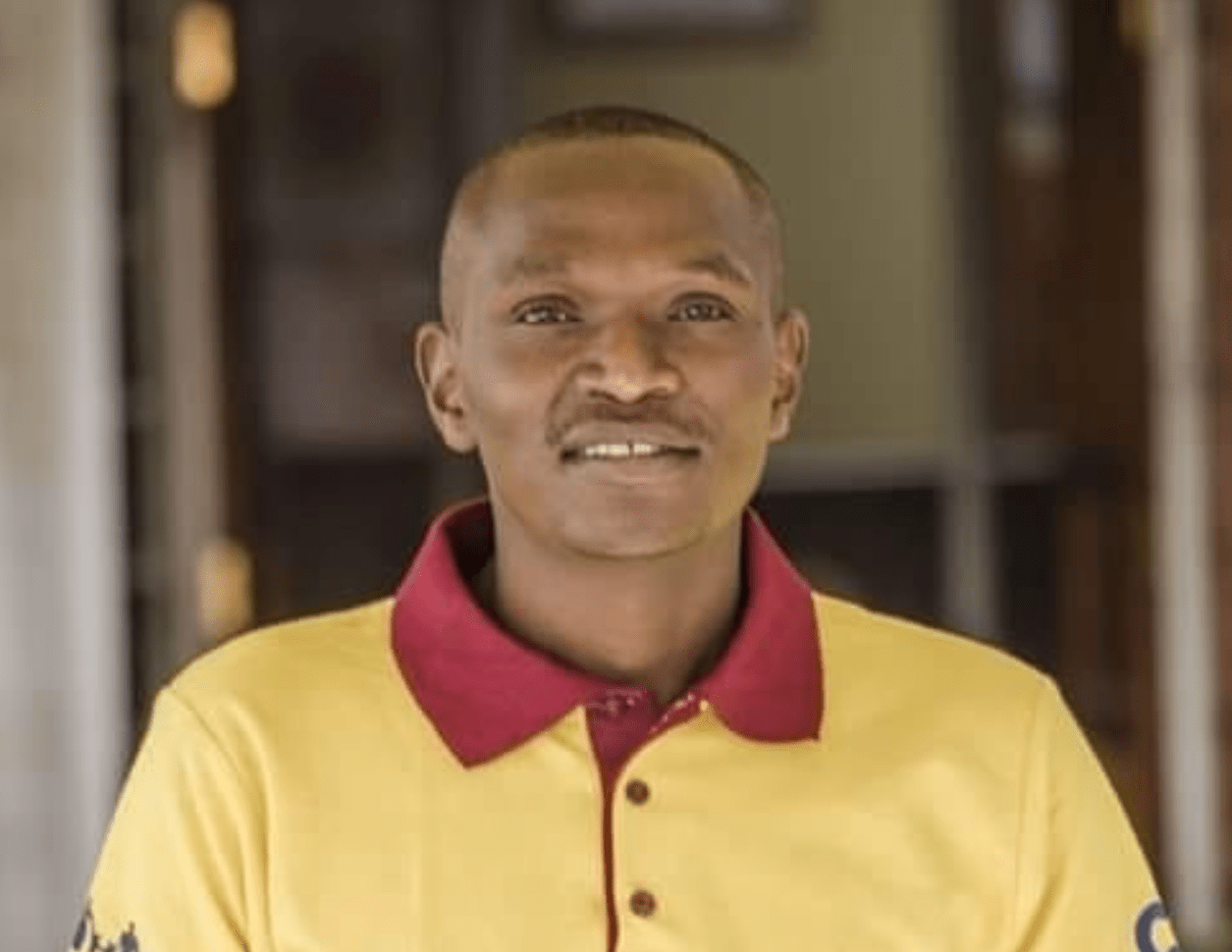
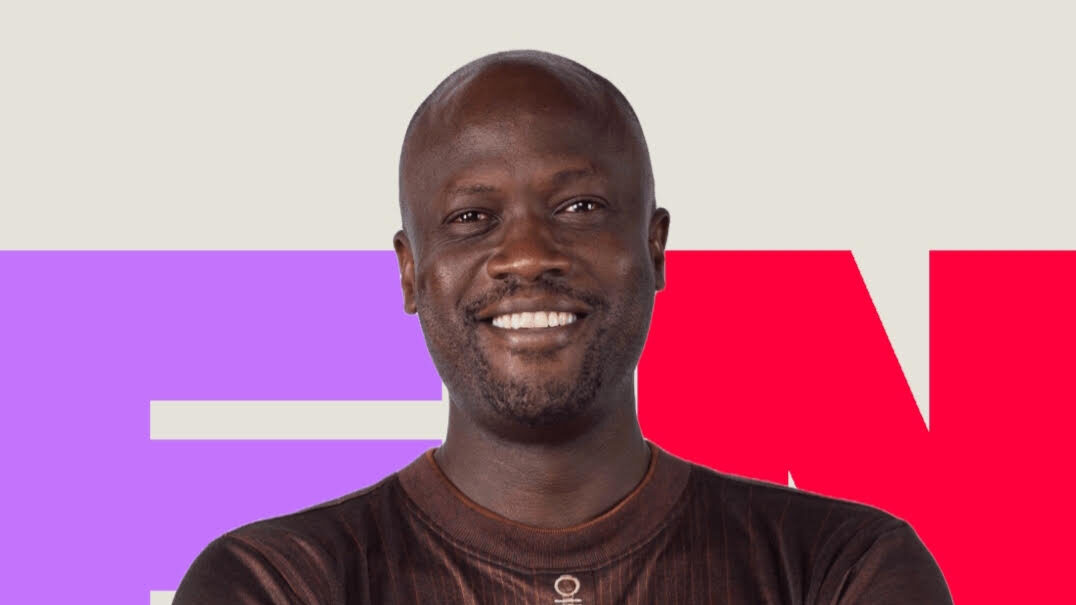
Ahead of the convening, human rights lawyer and advocate Jean-Paul Murunga, Associate Director, End Gender-Based Violence at Equality Now, reflects on justice and accountability for survivors of FGM/C and Child, Early and Forced Marriage, the role of strategic litigation, and why survivor-led movements are essential to achieving lasting change.
About the Author: Jean-Paul Murunga is Associate Director, End Gender-Based Violence at Equality Now, with 16 years of experience advancing gender justice, child protection and human rights across Africa. His work focuses on strengthening laws, policies and justice systems to protect women and girls from violence and discrimination. Jean-Paul is passionate about building justice systems where girls can live with dignity, equality and their rights fully protected.
Vision for the Movement
For Murunga, the Justice for Girls movement offers an opportunity to connect legal advocacy with survivor leadership and collective action.
“I was drawn to the Justice for Girls movement because ending FGM/C and Child, Early and Forced Marriage requires much more than having good laws on paper. It requires girls and survivors to be able to experience those rights in their everyday lives; to be protected from violence and human rights violations, to access services and justice, and to have meaningful remedies when their rights are violated.
Through my legal advocacy work, I have seen the important role that strategic litigation can play in exposing gaps in laws and their implementation, strengthening accountability and creating opportunities for legal and institutional change. But I have also learned that litigation cannot work in isolation. The greatest and most lasting change occurs when legal action is connected to survivor leadership, experiences, community organising, advocacy and sustained efforts to implement reforms.
For me, that is one of the most important reasons to be part of this movement. We need to ensure that survivors and grassroots organisations have the tools, resources and platforms they need to shape the solutions. They should not simply be consulted after decisions have been made; they should be at the centre of deciding what needs to change and how that change should happen.
Equality Now’s recent report, Towards Justice: Global Challenges and Opportunities in Litigating Cases of Female Genital Mutilation, illustrates how strategic litigation can contribute to stronger legal protections and accountability. At the same time, the research shows that a court victory is not necessarily the end of the journey. Under-reporting, weak investigations, social retaliation, procedural barriers and failures to implement laws can continue to limit access to justice. Litigation therefore needs to be part of a broader, survivor-centred strategy.
That is what excites me about the Justice for Girls movement: the opportunity to bring together legal advocacy, survivor leadership, grassroots organizing, evidence and collective action. Each of these approaches has its own power, but together they can help turn commitments into meaningful and lasting change.”
Ahead of the convening, organizers are developing a movement-led global action plan with concrete action steps for the next five years. Murunga hopes it will provide both direction and accountability.
“I hope the Movement Action Plan gives us both a shared vision and a practical way of measuring whether we are making progress. For me, there are a few particularly important things: First, we need renewed political commitment to ending FGM/C and Child, Early and Forced Marriage, accompanied by concrete action. We have made important progress in many countries, but we know that laws and commitments do not automatically translate into protection. Implementation, accountability and access to justice have to remain central.
Second, we need to invest in the organisations and movements that are doing this work every day. Grassroots and survivor-led organisations often have the deepest relationships with communities and understand the realities that policies and programmes sometimes miss. They need sustained and flexible funding that allows them to build their organisations, support their communities, look after their people and plan beyond short project cycles.
Third, survivor and youth leadership needs to be reflected in decision-making; not simply in participation. Girls and survivors should have meaningful influence over the priorities, strategies and resources that affect them.
And finally, I would like to see much stronger collaboration across movements and regions. We have a great deal to learn from one another. We should be sharing evidence, legal strategies, advocacy approaches and lessons on what works, while also coordinating our response when hard-won rights and protections come under threat.
At a time when backlash against women’s and girls’ rights is becoming increasingly coordinated, we cannot afford to work in isolation. We need strong movements, strong alliances and the resources to sustain them.”
Survivor leadership is also central to the design of the Justice for Girls Convening, Murunga emphasizes.
“Because survivors are not passive recipients of services or people who should only be invited to tell their stories. They are rights-holders, leaders, advocates and experts in their own right.
Their lived experience tells us things that research and policy documents alone cannot. Survivors understand where systems fail, what happens when a girl tries to seek justice, what forms of support are actually accessible, and what needs to change in communities and institutions.
A survivor-led approach also changes the balance of power. It asks us to move away from designing solutions ‘for’ affected communities and towards creating the conditions for communities to shape those solutions themselves.
That is why I value the approach of the Justice for Girls Convening. It creates space not only for advocacy and strategy, but also for lived experience, storytelling, culture and connection. Those things matter because movements are ultimately built by people.
Murunga also reflects on what meaningful allyship looks like when it centers and supports survivor leadership.
“Allies, too, have an important role. Organizations such as Equality Now can bring legal expertise, research, advocacy experience and connections that can help translate survivor-led priorities into legal and policy change. But our role as allies should be to support and amplify survivor leadership, not to replace it.
For me, good allyship means listening, sharing expertise where it is useful, opening doors, providing platforms, standing alongside movements when they face resistance, and helping create the space for survivors and grassroots leaders to exercise greater power.”
That collective leadership is increasingly important amid growing resistance to women’s and girls’ rights.
“We need to challenge them with evidence, but also with a much stronger and more compelling narrative about equality, dignity, rights and justice.
Part of that means confronting misinformation and anti-human rights narratives when they emerge. It means being clear about what is actually at stake when protections for women and girls are weakened. It also means defending the organisations and individuals who are on the frontline of this work, particularly women’s rights defenders and survivor advocates who increasingly face harassment and other forms of intimidation.
For Murunga, that also means looking beyond the immediate response to backlash and preparing movements for the threats ahead.
“Civil society organizations and movements need to monitor emerging threats, share information, and develop strategies for collective response.
Legal advocacy has an important role here. Courts and human rights mechanisms can provide avenues for challenging discriminatory laws and human rights violations, clarifying States’ obligations and strengthening accountability. Strategic litigation can be particularly important where political processes have failed to protect rights. But again, litigation is most effective when it is connected to broader advocacy and movement action, including efforts to ensure that judgments are actually implemented.
We also need to build broader alliances. Ending violence against girls cannot be separated from issues such as education, health, poverty, economic inequality and access to justice. The more we connect these issues, the harder it becomes to portray gender equality as a narrow or isolated agenda.
Ultimately, countering anti-rights narratives is not just about reacting to those who want to take us backwards. It is about building a movement and a public narrative that makes it clear why equality matters and why every girl has the right to live free from violence, discrimination and human rights violations.”
Strengthening Survivor-Led Movements
Alongside advocacy and strategy, the convening will create space for survivor wellbeing, art, storytelling and celebration.
“Because activism is sustained by people. Those working to end FGM/C and Child, Early and Forced Marriage are often dealing with deeply entrenched violations, resistance, and sometimes very personal experiences of violence and trauma. Survivors and activists can also experience burnout, harassment and threats because of the work they do. We therefore have to create movements where people can do this work without being consumed by it. Spaces for rest, healing, storytelling, creativity and connection are not a distraction from advocacy. They are part of building resilient movements. Art and storytelling can also help us communicate experiences that may be difficult to capture in policy language and create connections between people across different contexts.
I particularly value the fact that the Justice for Girls Convening creates space for both strategy and celebration. It reminds us that survivors and activists are not defined only by the violence they have experienced or the problems they are trying to solve. They also have joy, creativity, culture, relationships and aspirations. For me, a sustainable movement makes room for all of those things.”
The convening will also mark the announcement of a new fund intended to mobilize resources for work to end FGM/C, which Murunga believes can give grassroots and survivor-led organizations the sustained support needed to build lasting change.
“With sustained and flexible resources, grassroots and survivor-led organisations can do much more than respond to individual cases or implement short-term projects. They can build movements, organize communities, support survivors, generate evidence, challenge human rights violations, engage governments and push for legal and policy change.
The proposed Ending FGM/C Global Action Fund is an important example of the kind of investment the movement needs. It is intended to support survivor- and frontline-led organisations while also investing in advocacy, communications, technical support, survivor care and wellbeing.
The importance of this kind of funding is that it gives organizations the ability to think beyond the next reporting period. Change takes time. An organisation may need years to build trust within communities, develop leadership, pursue legal reform, bring a strategic case, advocate for implementation or respond to a new threat.
Flexible funding also allows movements to respond when circumstances change. That is particularly important now, when we are seeing increasing pressure on civic space and growing attempts to roll back hard-won protections for women and girls.
So, ultimately, investing in grassroots organisations is not simply about funding activities. It is about investing in the people, relationships, knowledge and movements that make lasting change possible.”
Murunga also brings lessons from Equality Now’s work on the possibilities — and limits — of strategic litigation.
“One of the biggest lessons from Equality Now’s work is that the law can be a powerful tool for change, but it is most effective when it is connected to people and movements.
Strategic litigation can expose systemic failures, challenge discriminatory laws and human rights violations as well as help uphold and strengthen existing laws, clarify legal obligations, strengthen accountability and create important precedents. But winning a case is not the same thing as achieving justice. A judgment may establish an important legal principle, but there can still be significant work to ensure that it is implemented and that the people affected actually experience the change.
That is one of the key lessons from our recent ‘Towards Justice’ research. Looking at strategic litigation relating to FGM across Burkina Faso, India, Kenya, Liberia, The Gambia and the United States, the research shows both the opportunities and the limitations of litigation.”
For Murunga, the findings reinforce the importance of looking beyond the courtroom.
“What I find particularly important is the lesson that litigation works best when it is part of a wider strategy. Survivors and communities need support before, during and after litigation. Civil society needs to be able to advocate for implementation. Lawyers need to work with other actors, including survivor organisations, service providers, researchers and policymakers. And movements need to be able to sustain pressure for change after the judgment has been delivered.
So the lesson I would most like to share is that we should not think of strategic litigation as simply a legal process. At its best, it is a tool that movements can use to challenge systems, create openings for reform and strengthen accountability.
The real opportunity comes when we connect the law with survivor leadership, community action and sustained advocacy.”
Looking Ahead
As participants gather in Kenya, a central question will be how the conversations and commitments made there carry forward after the convening ends.
“For me, the starting point is to make sure that the commitments coming out of the convening are specific enough to be followed up.
It is easy to leave a major convening with a strong declaration or a list of commitments. The harder question is what happens six months or two years later. Who is responsible? What has changed? What resources have been committed? And, most importantly, are girls and survivors experiencing a difference in their lives?
The Movement Action Plan can provide an important framework for answering some of those questions. But we also need to maintain the relationships created during the convening. We need mechanisms for continued learning, sharing evidence, coordinating advocacy and responding collectively when threats emerge.
The commitments should also connect to national, regional and global accountability processes. There are many spaces where governments make commitments on women’s and girls’ rights. We need to use those spaces to keep the issues visible and to hold decision-makers accountable for what they have promised.
And I think we need to be honest about what success looks like. It should not simply be the number of commitments made or events held. Success should mean stronger laws and policies, better implementation, adequate resources, improved access to justice and support for survivors, and ultimately a reduction in the violence and human rights violations that girls experience.
If we can leave Kenya with not just commitments, but a stronger network of people and organisations committed to following through on them, then the convening will have achieved something meaningful.”
For Murunga, the longer-term legacy comes back to a fundamental question: whether the movement can shift power and translate commitments into change.
“I hope that the legacy will be a stronger, better-connected, and better-resourced movement; one in which survivors and affected communities have greater power to shape the decisions that affect their lives.
I hope we see stronger laws and policies, but also much better implementation. I hope survivors can access justice and remedies when their rights are violated. I hope grassroots and survivor-led organisations have the resources and support they need to continue their work, and that governments and other duty-bearers face meaningful accountability when they fail to protect girls.
I also hope the convening strengthens solidarity across movements and regions. We are operating in a difficult environment, and some of the progress that previous generations fought hard to achieve is being challenged. We need to be able to recognise those threats early, stand together and protect the space in which women and girls can claim their rights.
But, ultimately, I think the legacy should be about shifting the power.
Are girls and survivors able to influence the decisions that affect them? Are grassroots organisations being trusted and properly resourced? Are governments translating commitments into action? Are we seeing real changes in the lives of girls?
If the answer to those questions is increasingly yes, then we will know that the movement is making progress.
I would like people to leave this convening not only inspired, but connected, to the work, and to a shared sense of responsibility for what comes next.
The goal should not simply be to produce another declaration. It should be to strengthen a movement capable of turning commitments into lasting change, challenging impunity, protecting hard-won gains, and ensuring that every girl can live with dignity and exercise her rights free from violence and harmful practices.”