The Justice for Girls Convening & Festival will take place in Kenya soon, bringing together activists, survivors, policymakers and governments, funders, and leaders committed to ending female genital mutilation/cutting (FGM/C) and child marriage in this generation. It is a space for bold ideas, shared strategies, and collective action, grounded in lived experience and global collaboration, at a critical moment for the gender justice community.
In the lead-up to the convening, we’ve been speaking with Advocates and Survivor Expert Leaders from around the world about what this moment means for the movement, what they hope participants will accomplish in Kenya, and the future they’re working to build together.
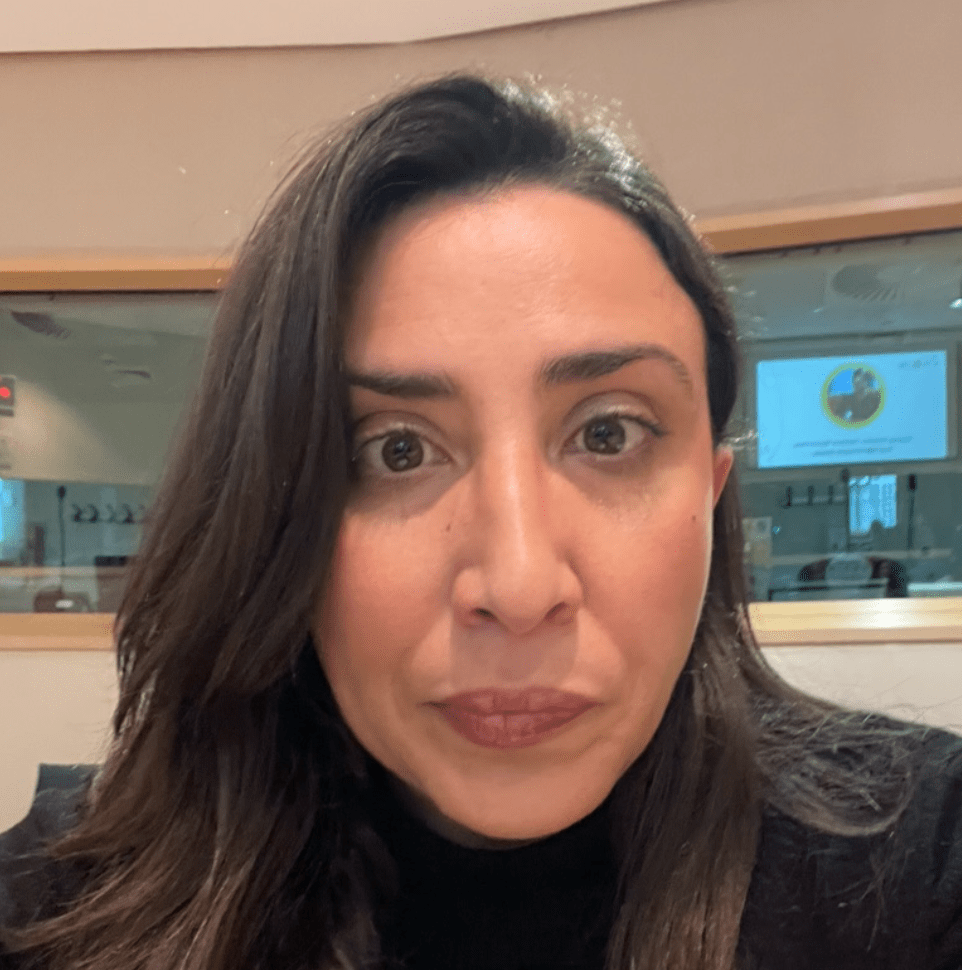
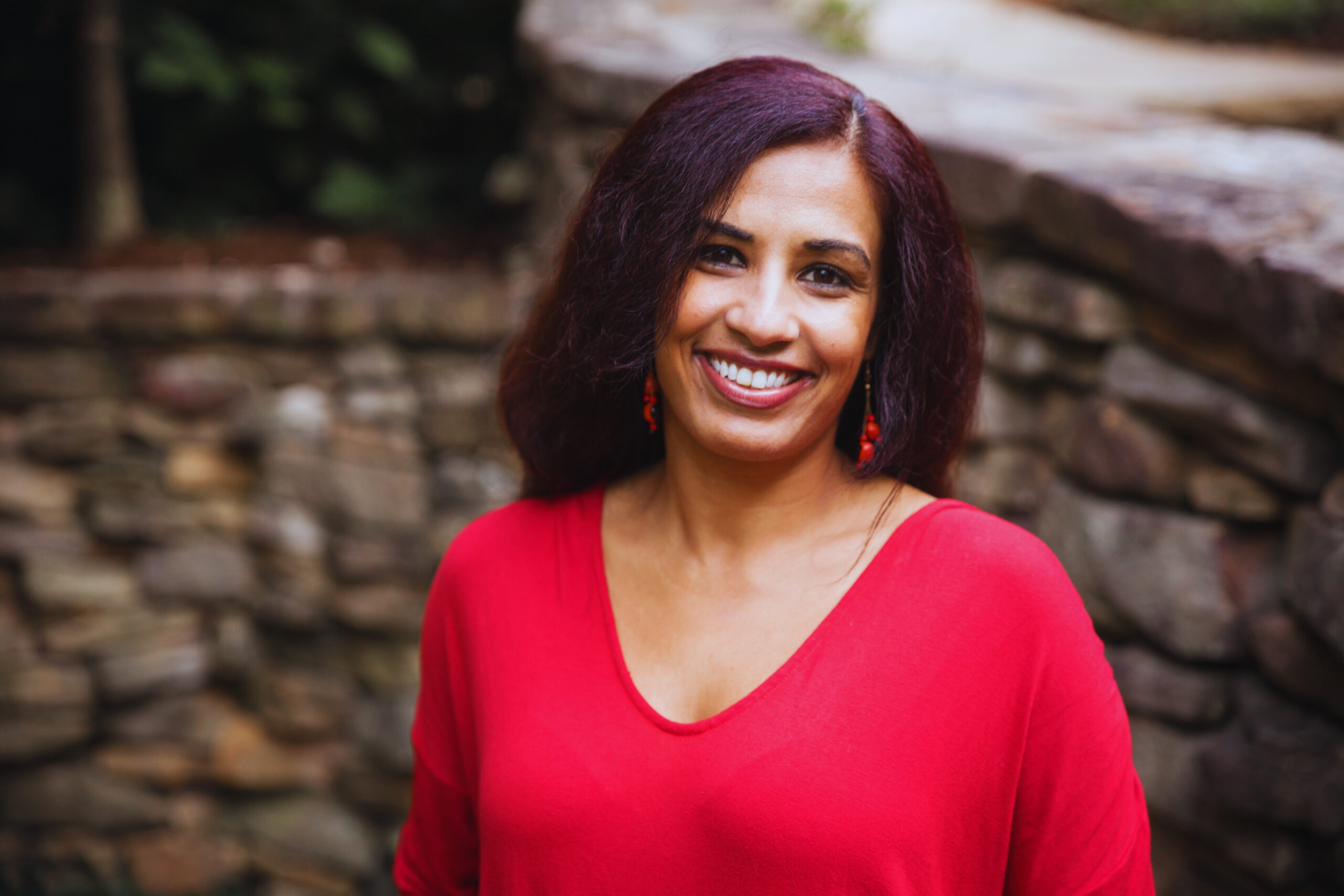
Below, Mariya Taher, co-founder and Executive Director of Sahiyo, shares what draws her to the Justice for Girls movement and what she hopes this global gathering can make possible.
About the Author: Mariya Taher is an award-winning social activist with over seventeen years of experience dedicated to ending gender-based violence through direct service, policy development, research, and program creation. She is the co-founder of Sahiyo, a leading transnational organization committed to empowering Asian and other communities to end female genital cutting/mutilation (FGM/C). Mariya has also been a driving force in elevating FGM/C as a critical issue in the U.S., serving on the steering committee for the U.S. End FGM/C Network, advocating for policy in multiple states, and acting as an expert consultant for the 2021 Department of Justice’s “Addressing Female Genital Mutilation/Cutting” project. In 2023, she received the prestigious Women of Worth award from L’Oreal Paris USA, honoring her as one of the top ten female nonprofit leaders.
Vision for the Movement
For Mariya, the Justice for Girls movement is deeply connected to both her experience as a survivor and her work with Sahiyo.
“As a survivor and the co-founder of Sahiyo, I am deeply driven by the need to ensure that the next generation of girls does not bear the burden of gender-based violence. My commitment to this movement is rooted in the belief that when we center survivor leadership, we create more effective, empathetic, and culturally relevant pathways to ending FGM/C and child marriage. It is about reclaiming our bodily autonomy and building a future where every girl can grow up free from these forms of violence.”
That emphasis on survivor leadership also shapes what Mariya hopes will emerge from the convening. Organizers are developing a movement-led global plan to address FGM/C, with concrete action steps for the next five years.
“I hope the plan moves beyond siloed programming and establishes a roadmap for sustained, large-scale investment in survivor-led and frontline organizations. Grounded in Sahiyo’s “Critical Intersections” research —which highlights that FGM/C does not occur in a vacuum but is deeply intertwined with broader systemic oppressions—I believe the plan must prioritize true cross-sector collaboration. We need to intentionally build these bridges, including with non-traditional partners and organizations, to foster a more holistic support ecosystem. By connecting our work with diverse movements, we can integrate these perspectives into education, SRHR, and child protection agendas, while simultaneously creating robust mechanisms to protect advocates facing backlash.”
For Mariya, putting survivors at the center also requires being intentional about the role of allies.
“Survivor leadership ensures that the movement remains rooted in the reality of those most impacted. We are the experts on our own experiences and the most effective architects of change for our communities. Allies are essential in this framework not to take the lead, but to provide the platform, resources, and institutional support needed to amplify our voices and ensure our strategies reach the policy and global stages.”
That work extends beyond the spaces where advocates, funders, and policymakers gather. Shifting public narratives around FGM/C and child marriage is another part of building lasting change.
We must confront these narratives directly through coordinated media and advocacy strategies grounded in evidence and lived experience. A powerful example of this is Sahiyo’s “Voices to End FGM/C” project, which demonstrates how storytelling and sharing lived realities are essential steps in countering anti-rights narratives. By humanizing our experiences, we normalize the conversation and validate the lived realities of impacted women and girls, which helps disrupt disinformation and reframe the narrative to focus on bodily autonomy and the undeniable notion that these harmful practices are gender-based violence.
Strengthening Survivor-Led Movements
But sustaining a movement also means sustaining the people doing the work. Alongside advocacy and strategy, the Justice for Girls Convening & Festival will create space for survivor wellbeing, including through music, art, and storytelling.
“Healing and advocacy are fundamentally linked. We cannot sustain the hard work of movement-building if we do not prioritize our own wellbeing. Creating spaces for art, music, and storytelling allows us to reclaim our narratives, process trauma, and infuse the movement with joy and self-determination. These spaces are not a distraction from our work—they are the foundation that makes our advocacy sustainable.”
Sustaining survivor-led work also requires addressing a longstanding challenge for grassroots organizations: funding.
“Sustained, long-term investment is a game-changer. It allows us to move away from the instability of project-based funding and instead build the durable infrastructure needed for generational change. With consistent resources, grassroots organizations can implement deep, community-based solutions, foster innovation, and respond dynamically to the specific needs of the girls and survivors we serve. Crucially, I hope these new funds also recognize the need to support grassroots and community organizations in building the operational and programming skills required to sustain such vital work. By investing in this capacity building, we can empower community leaders to develop the leadership presence necessary to occupy high-level spaces and directly influence the decision-making that affects our communities.”
Mariya’s own work at Sahiyo offers one example of what survivor-centered movement-building can look like in practice.
“At Sahiyo, we’ve learned the immense power of storytelling as a primary catalyst for transformation. We interpret storytelling in many ways, recognizing that mobilizing voices is an essential step toward lasting change. We have seen firsthand how sharing lived realities creates powerful ripples—leading to individual healing, stronger family and community bonds, and ultimately, policy wins and new funding opportunities. Change happens most effectively when we create non-judgmental, culturally competent spaces that allow community members to reflect on their own experiences. By uplifting these narratives, we aren’t just shifting cultural norms; we are proving that centering authentic voices is the most direct path to the change we want to see.”
Looking Ahead
The larger measure of the convening’s success, however, will be what happens after participants leave Kenya.
“Lasting change depends on the partnerships and accountability mechanisms we build here. We must ensure that the connections made in Kenya evolve into formal, ongoing collaborations. The launch of the FGM Global Action Fund is a critical step in this direction, providing a platform to sustain these alliances and ensure our shared political goals remain a priority long after the convening concludes.”
And for Mariya, what begins in Kenya has the potential to reach beyond the movements to end FGM/C and child marriage.
“My ultimate hope is that this convening sets a new standard for how the global human rights movement approaches violence against girls. I want the legacy to be one where survivor leadership is not just invited, but is the central, driving force behind all strategy and funding decisions, and where we have successfully bridged the gap between different rights movements to ensure no girl is left behind.”