The Justice for Girls Convening & Festival will take place in Kenya soon, bringing together activists, survivors, policymakers and governments, funders, and leaders committed to ending female genital mutilation/cutting (FGM/C) and child marriage in this generation. It is a space for bold ideas, shared strategies, and collective action, grounded in lived experience and global collaboration, at a critical moment for the gender justice community.
In the lead-up to the convening, we’ve been speaking with Advocates and Survivor Expert Leaders from around the world about what this moment means for the movement, what they hope participants will accomplish in Kenya, and the future they’re working to build together.
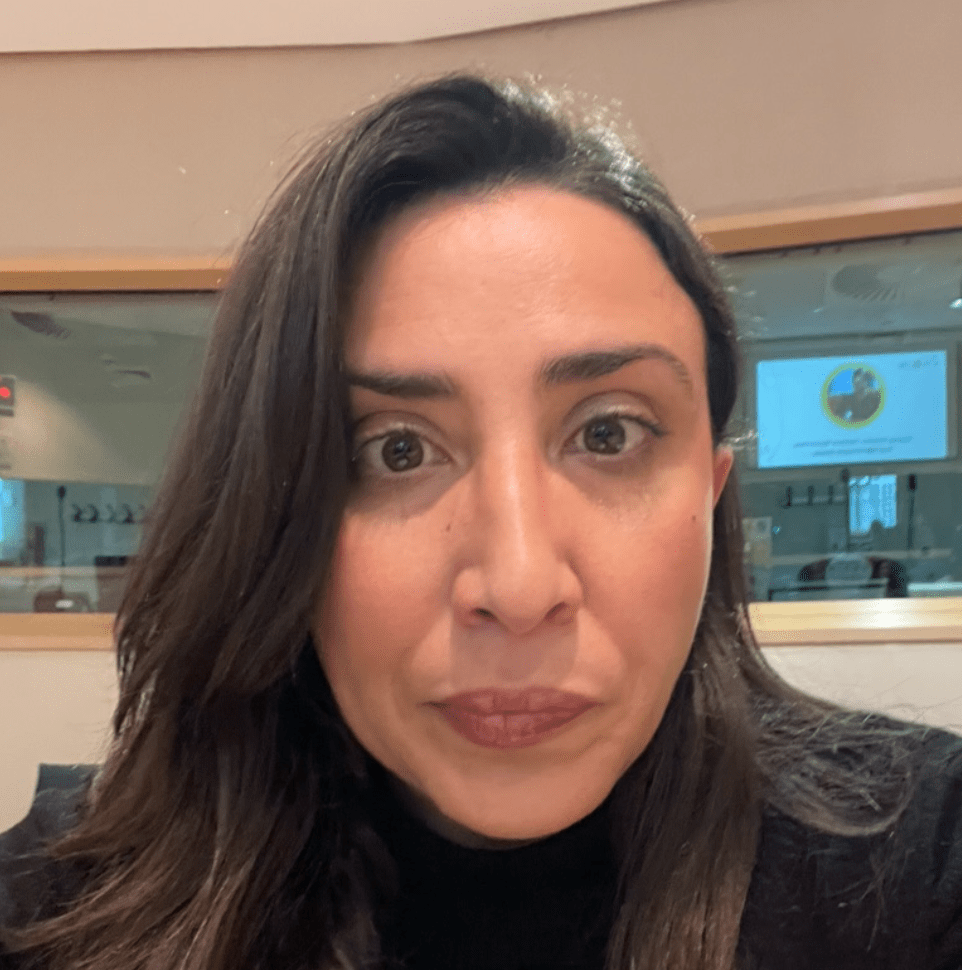
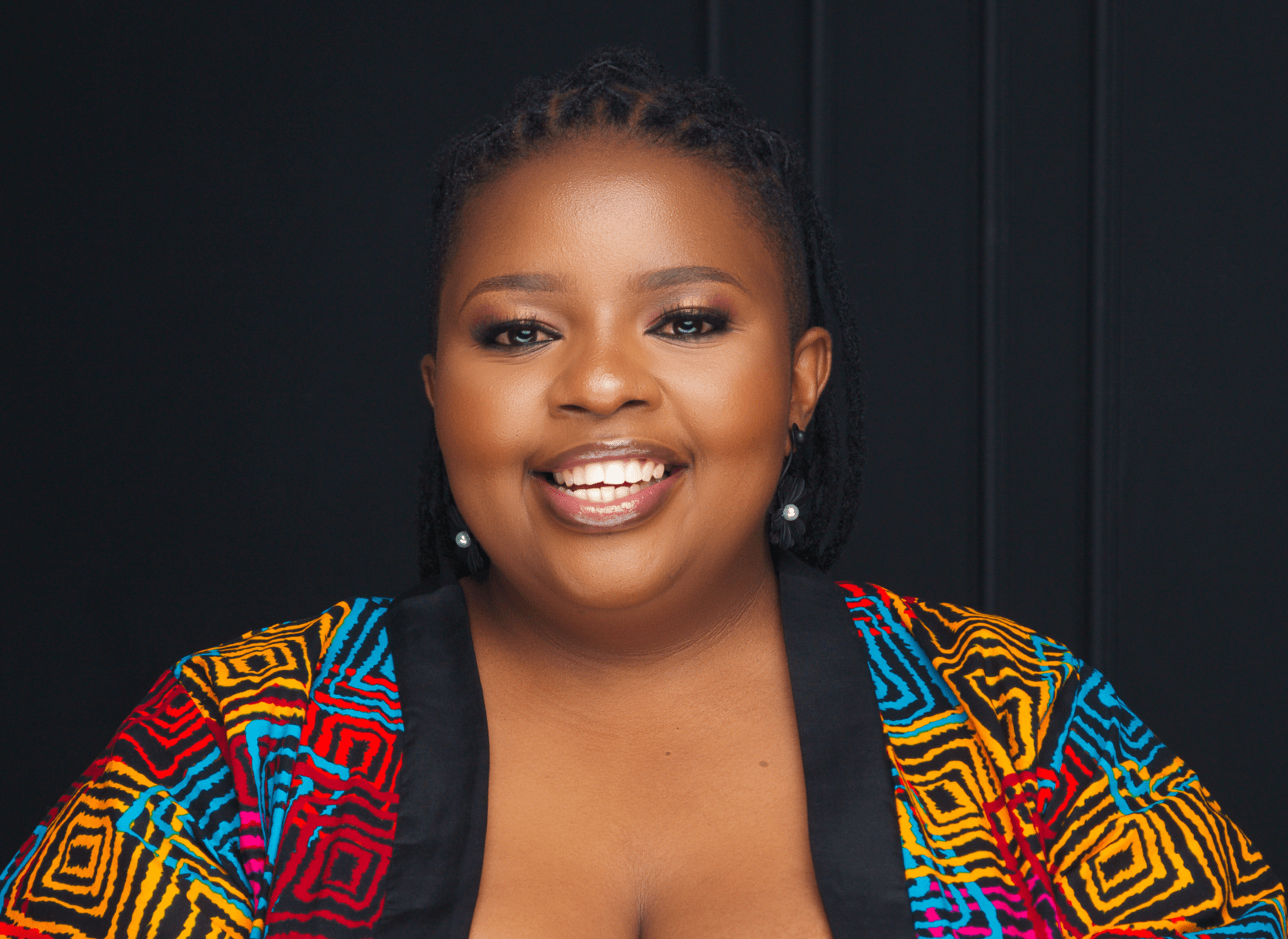
Below, Brandy Kemunto, the communications and advocacy professional at the Coalition on Violence Against Women (COVAW) reflects on why she got involved in the movement, what survivor leadership means to her, and where she wants the movement to go next.
About the Author: Brandy Kemunto is a communications and advocacy professional at the Coalition on Violence Against Women (COVAW), with a background in journalism, public relations, media, and digital storytelling. She is passionate about women’s rights, gender equality, and ending violence against women and girls, and is committed to using communications as a tool for advocacy and social change. Her work focuses on bringing visibility to issues affecting women and girls, challenging harmful narratives and social norms, and amplifying voices working towards women’s empowerment and gender justice. She believes in the power of communication to influence public discourse, mobilize action, and contribute to a more equitable world.
“When the whole world is silent, even one voice becomes powerful.”
— Malala Yousafzai
A Passion and Personal Connection to the Movement
For Brandy Kemunto, being a part of the movement to end FGM/C worldwide was something that came naturally to her. A passionate and highly skilled advocate for women’s rights, she uses her talents and knowledge to push the movement forward.
“My commitment to this movement is both personal and professional. My passion for women’s rights and gender equality, together with my background in media and communications, shaped the way I understood the power of storytelling and public advocacy.
“Earlier in my career, covering issues such as femicide exposed me to the devastating consequences of violence in ways that statistics alone never could. You begin to understand that behind every headline is a person, a family, and a community living with the consequences. That stayed with me.
“Joining COVAW gave me the opportunity to take that commitment further. It allowed me to move beyond documenting these issues to becoming part of a broader movement working to address the structures, systems and social norms that allow violence against women and girls to persist.”
“That shift also changed how I think about what it takes to create lasting change. At the Coalition on Violence Against Women (COVAW), our work has brought us closer to communities where FGM/C and child marriage remain deeply entrenched, and to the women and girls, survivors and frontline responders, living with their consequences every day. The more we listen to communities, the more we realise that there is no single solution and no single actor who can bring about change. We also realise that communities already hold so much of the knowledge, experience and leadership needed to drive that change.”
“That is what gives me hope about the Justice for Girls movement. We can end FGM/C within a generation, but we have to be willing to do things differently. We have to centre survivors, invest in grassroots leadership, and recognise that communities are not simply recipients of solutions. They are part of the leadership that will make change possible.”
“That conviction is reflected in much of our work at COVAW. As the convenor of the Kenya CSO Network to End FGM, we coordinate civil society efforts to strengthen collective advocacy and programming, while our role as Treasurer of the End FGM/C Network Africa allows us to contribute to regional movement building. Through this work, we have also seen how important it is to support not only survivors, but the people and organisations working alongside them every day.”
“Having worked in hotspots such as Isiolo and Garissa, where prevalence rates are among the highest in the country, that urgency is no longer abstract to me. We hear it directly from the frontline responders we work with, who support an ever-growing number of survivors, often with very little support themselves. Their reality makes ‘within a generation’ feel less like a slogan and more like a deadline we need to meet.
“That is what I hope we carry into the Justice for Girls convening: a recognition that ending these harmful practices will require more than individual interventions. It will require survivors at the centre, communities leading change, stronger movements and a willingness to work collectively towards a shared goal.”
A Global Plan of Action
At the Justice for Girls Convening & Festival, a movement-led global action plan will be announced to guide the next five years of strategic movement building. For Brandy, this plan presents an opportunity to put the day-to-day needs of survivors and those at risk front and center.
“For me, a meaningful global plan has to start with a simple question: whose realities are shaping the solutions?
“If we are serious about survivor leadership, survivors cannot only be consulted after priorities have already been decided. They need to be part of shaping those priorities, making decisions, and determining what success looks like.
“The plan also needs to recognise that women and girls experience violence differently depending on their circumstances. Intersectionality cannot just be a word in the strategy. We need to understand the different barriers people face and make sure those realities are reflected in how we design and implement interventions.”
Brandy also believes the next phase of movement building must address the funding realities facing grassroots organisations.
“We need to invest in grassroots movements through funding that is longer-term and flexible enough to allow organisations to respond to what is happening in their communities. Communities do not change according to grant cycles.
“If organisations have to start from scratch every time a project ends, we lose relationships, institutional knowledge and momentum. Sustainable funding gives movements the space to build leadership, strengthen systems, experiment, learn, and stay with an issue long enough to see meaningful change.”
For her, the global plan should also help the movement identify and address gaps across policy, healthcare, social protection, and other systems that affect the ability of women and girls to live free from violence.
“I would like to see the plan be ambitious, but also practical. We need clear priorities, clear responsibilities, and ways of tracking whether we are actually moving forward. A strategy should not simply tell us what we hope to achieve. It should help us understand what we need to do, who needs to act, and how we will hold ourselves accountable.”
The Need for Survivor Leadership
It is essential that this global convening is survivor‑led because those who have experienced FGM/C and child marriage understand their realities in ways that no policy or programme can fully capture. Brandy knows that their perspectives and knowledge are critical to creating real foundational change.
“Survivor leadership helps ensure that strategies are grounded in lived experience and that solutions are responsive to the needs of girls and women affected by FGM/C and child marriage. Survivor voices need to be represented at every level, from the design of interventions to decision-making and accountability.”
“Allies have an important role to play in creating and protecting spaces for this. They can use their platforms and resources to amplify survivor voices, open doors to policy and decision-making spaces, and support the movement without taking ownership of it. For me, the strongest allyship is about using power and privilege to create more space for survivor leadership.”
At a time when authoritarian leadership and anti-rights narratives are on the rise, it is critical to have survivors in leadership roles because they understand how to combat this type of rhetoric.
“Anti-rights movements often rely on fear and misinformation, and that has only been exacerbated by technology. Our strength lies in telling stories built on rights, evidence, and survivors’ lived experiences. This matters even more now with the rise of technology facilitating gender based violence. We are seeing coordinated attacks against women leaders, journalists, human rights defenders, and feminist activists, often designed to discredit them, intimidate them, and push them out of public spaces.
“We cannot respond to that by simply communicating more. We need to become much more intentional about digital advocacy, narrative change, and digital security. We need to equip organisations and activists with the skills to recognise and respond to these attacks while continuing to tell stories grounded in rights, evidence and lived experience.
“We also need to invest in young feminist leaders. Movements need new voices, new ideas, and the confidence to challenge narratives that are increasingly being normalised online and offline.”
Strengthening Survivor-Led Movements
Having survivors in leadership positions also allows them to tell their stories on their own terms and to foster a space where other survivors can share their experiences in a safe and healing way.
“Advocacy can ask survivors to revisit some of the most painful experiences of their lives. We therefore cannot build a movement that asks survivors to speak, lead, and advocate without also creating spaces where they can rest, heal, and simply exist beyond their experiences of violence. Survivors of FGM/C and child marriage can carry deep emotional and physical scars, and healing spaces provide an opportunity for restoration, dignity, and community. Music, art, and storytelling can also create ways for survivors to express experiences that may be difficult to communicate in conventional advocacy spaces.”
“For me, this is also about building a movement that is sustainable and humane. Survivors should not have to choose between healing and advocacy. They should be supported to participate in the movement in ways that respect their well-being, agency, and boundaries.
Brandy also points to the well-being of frontline responders, whose own experiences can often be overlooked.
“One of the lessons I have learned is that we also need to pay attention to the people who are supporting survivors every day. Frontline responders can experience compassion fatigue, secondary trauma, and burnout, yet their well-being is often treated as an afterthought.
“Mental Health and Psychosocial Support is therefore not an optional addition to survivor-centred programming. Frontline health workers, social workers, police, community leaders, and others supporting survivors need the skills and support to provide quality, culturally appropriate, and rights-based care while also taking care of themselves.”
This convening will provide a space to turn the movement’s next steps into action through initiatives, policies, and fair funding practices.
“Funding conversations can feel abstract until you’ve watched what happens without it, and what becomes possible with it. Sustained funding gives grassroots and survivor-led organizations the ability to move beyond responding to immediate needs and invest in lasting change. With longer-term and flexible resources, organizations can plan strategically, strengthen community leadership, support survivors, build partnerships, and scale approaches that are working.”
“It also shifts who gets to define solutions. When resources reach organizations that are rooted in communities, survivors and local leaders are better positioned to develop responses that are relevant to their realities. We therefore need funding models that recognise movement building as long-term work. Change in social norms does not happen overnight, much less within the timelines of short-term projects, and grassroots organizations should not have to constantly start over when a grant ends. Sustained investment allows them to build the relationships, trust, and leadership that lasting change requires.”
Looking Ahead
As we look to the future, Brandy hopes that this convening will be a catalyst for real change and progress within the movements to end FGM/C and Child Marriage.
“Ensuring that the conversations in Kenya translate into lasting change will require more than a strong outcome from the convening. It will require sustained coordination, accountability, collaboration, and investment in the movement beyond those few days. If I had to leave the convening with three things, they would be a clear action plan, stronger alliances, and a commitment to sustained investment in the movement.”
“First, we need a movement-led action plan with concrete priorities, timelines, and mechanisms for tracking progress over the next five years. Governments, funders, civil society organisations, survivor leaders and allies should all have clear roles and responsibilities. Regular check-ins, shared learning, and opportunities to assess progress will help ensure that momentum is maintained.”
“Second, we need to strengthen regional and cross-movement alliances. Ending FGM/C and child marriage cannot be achieved in isolation. It requires collaboration across gender justice, child protection, education, health, disability rights, and youth movements. That kind of collaboration only works if we keep meeting, sharing resources, and acting jointly long after the convening ends.”
And third, we need to be honest about what it takes to sustain this work. Grassroots and survivor-led organisations need long-term, flexible resources that allow them to build rather than simply survive from one grant to the next.”
A Legacy of Lasting Change
For Brandy, putting these priorities into practice is ultimately what will determine whether the convening creates meaningful change and what kind of legacy it leaves behind.
“For me, the true measure of this convening will be whether it changes what happens after we leave the room. We have an opportunity to move beyond conversations and commitments towards a movement that is better resourced, more connected, and more accountable to the women and girls at its centre. The legacy should not simply be that we came together to talk about ending FGM/C, but that we left with the collective will, resources, and leadership to make ending it within a generation possible.
“I hope the legacy is a movement that proves survivor-led, community-driven action can transform practices that have been deeply entrenched for generations.
“Survivors should not only be the people we design programmes for or the people we ask to tell their stories. They should be leaders, decision-makers, and people shaping the solutions themselves.
“If we can build a movement where lived experience is valued as expertise, where grassroots organisations have the resources to lead, and where survivors have the space and support to determine the future of the movement, then I think we will have created something that can outlast any single convening, strategy or project.”