
The Justice for Girls Convening & Festival will take place in Kenya soon, bringing together activists, survivors, policymakers and governments, funders, and leaders committed to ending female genital mutilation/cutting (FGM/C) and child marriage in this generation. It is a space for bold ideas, shared strategies, and collective action, grounded in lived experience and global collaboration, at a critical moment for the gender justice community.
In the lead-up to the convening, we’ve been speaking with Advocates and Survivor Expert Leaders from around the world about what this moment means for the movement, what they hope participants will accomplish in Kenya, and the future they’re working to build together.
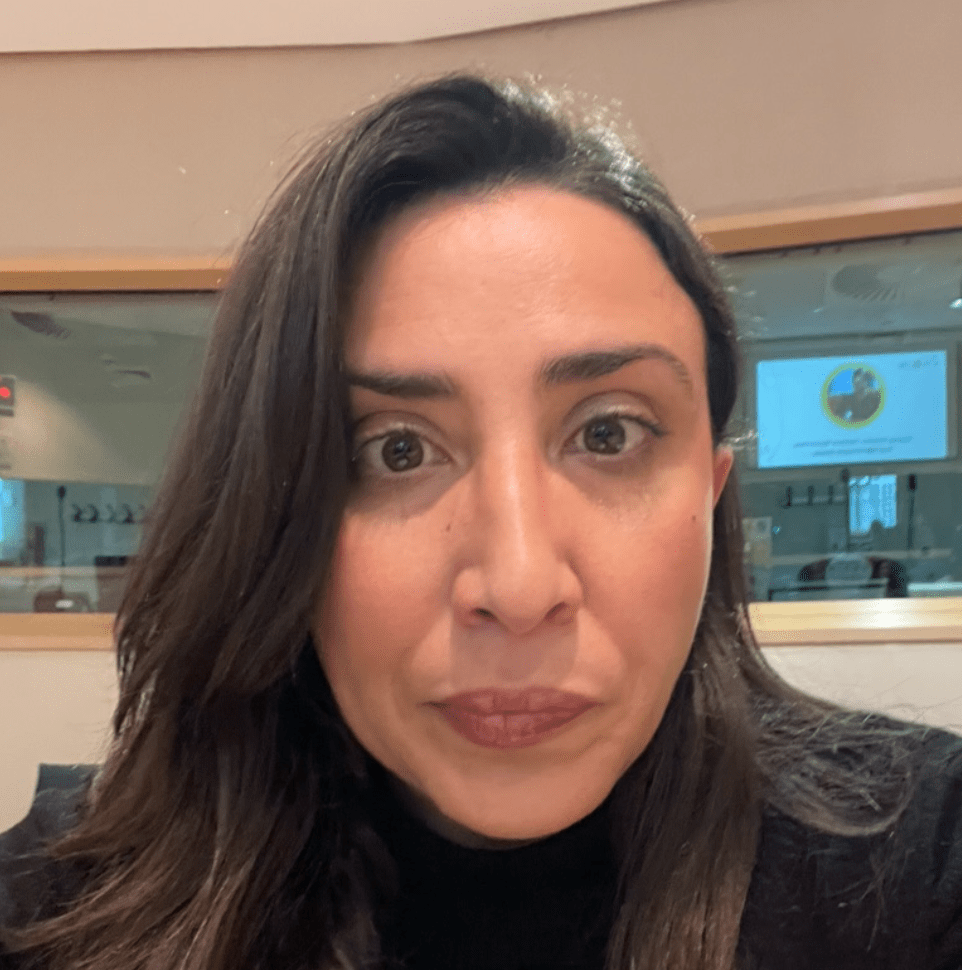
Below, End FGM Canada Network Executive Director Alisa Tukkimäki reflects on why this Convening needs to happen now, the importance of a global action plan, and the steps we need to take to move these movements forward.
About the Author: Alisa Tukkimäki is the Executive Director of End FGM Canada Network. She holds a master’s degree in International Community Development from the University of Calgary. Alisa has nearly 20 years of experience as a community developer in Alberta, co-creating and managing local and international projects in project design, implementation, and evaluation. With a focus on social justice and human rights, Alisa has worked in the fields of homelessness and poverty reduction, gender-based violence, and most notably, counter-human trafficking. Alisa is most passionate about working collaboratively to dismantle systems of oppression.
A Critical Step Forward
Right now, the gender and women’s rights movements are at an important inflection point. With authoritarianism and anti-rights movements gaining ground around the world, Alisa and the End FGM Canada Network know that now is the time to take action.
“We are living in a turbulent time where anti-rights groups are gaining in popularity, and their ideals are becoming more prevalent in our policies and programs. We need a convening such as this to be led by those who are the most impacted by this human rights abuse in order to ensure conflicting interests do not co-opt the agenda to suit their needs and/or conflate the issue.”
For Alisa, that makes survivor leadership especially important at this moment.
“Survivors within the anti-FGM/C movement are unflinching in their vision to end this form of abuse. Without their conviction and connection to impacted communities, the priorities of the anti-FGM/C movement would be greatly diluted.”
Building movements capable of creating lasting change, however, is not a simple task. At the Justice for Girls Convening & Festival, a movement-led global action plan will be announced to guide the next five years of strategic movement building. For Alisa and the End FGM Canada Network, this is an opportunity to help turn the movement’s priorities into action.
That change also has to extend beyond policies and institutions and into our everyday lives. Alisa believes conversations about gender-based violence need to happen within our own families and communities.
“On a micro level, we need to have more conversations with the people in our lives. We need to be talking about toxic masculinity and violence against women with not just the men and boys in our lives, but the mothers, women, and girls in our communities. I have two young boys, and despite the complexities of these issues, I have found ways to talk with them about how they perceive and treat girls and how empathy and emotional vulnerability are a strength. For me, these conversations need to start at home.”
And those conversations shouldn’t stop there.
“All the women in my life are well-versed in the oppression and gender-based violence we face. In my circles, I challenge them to talk about it with their children, partners, and families, and encourage their male counterparts to talk about these issues as well. In the West, we are often told that women are equal, but this is because people refuse to look at the larger picture, the daily subtleties, and, of course, ignore the more obvious attacks on women’s rights.”
Ultimately, Alisa believes these conversations need to become more accessible beyond advocacy spaces.
“In my opinion, we need to give the average person the tools to talk about violence against girls and the impacts of the anti-rights movement.”
The Importance of Survivor-Led Movements
For so long, survivors have had to share their stories, often in triggering and exhausting ways. This Convening offers an opportunity for community building while ensuring those most affected by FGM/C have a central role in determining where the movement goes next.
But turning the movement’s priorities into action also requires sustained investment. For Alisa, the need for funding is clear.
“This funding will sustain investment in localized protection and prevention efforts in the communities around the world that need it the most. The tools and strategies are already in place; the last piece is the funding.”
This convening will provide a space to turn the movement’s next steps into action through initiatives, policies, and funding, so that organizations like the End FGM Canada Network can continue creating culturally sensitive and impactful change.